Intervals and training
Tabata vs HIIT vs Interval Training: What Is the Difference?
Interval training is the broad category, HIIT describes high-intensity intervals, and Tabata is a specific 20/10 protocol. Here is what those terms mean in practice.
By Linus Bergman · Published
- Tabata
- HIIT
- interval timer
- workout timer
- 20/10 timer
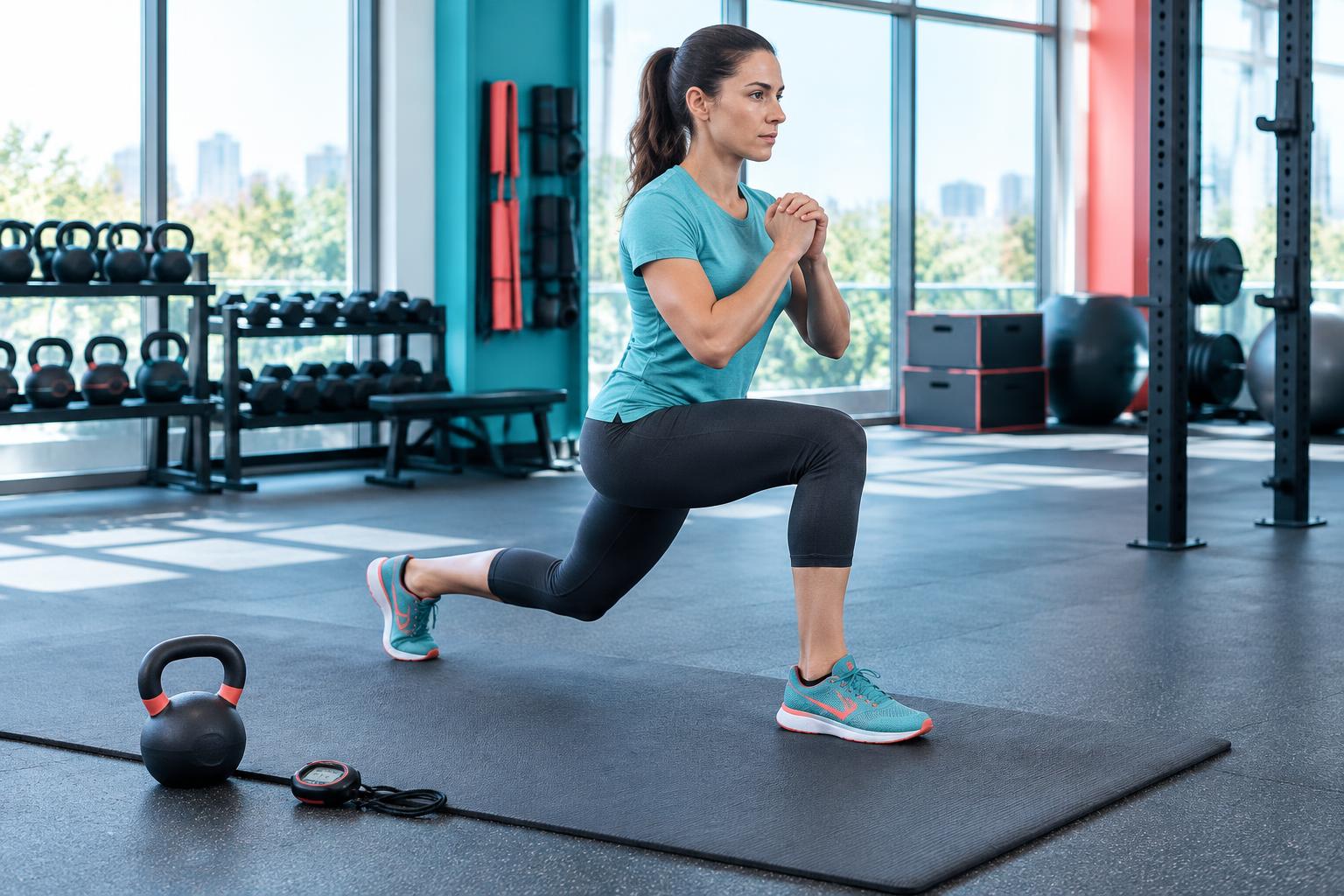
Tabata, HIIT and interval training are often used as though they mean the same thing. They are related, but they describe different levels of specificity.
The simplest distinction is:
- Interval training is the broad category.
- HIIT is interval training performed at high intensity.
- Tabata is a particular high-intensity protocol associated with 20 seconds of work and 10 seconds of rest.
Understanding the difference makes it easier to choose a timer and describe the workout accurately.
Comparison at a glance
| Format | Work and recovery | Intensity | Structure |
|---|---|---|---|
| Interval training | Any configurable intervals | Low to high | Flexible |
| HIIT | Repeated hard efforts and recovery | High | Flexible |
| Classic Tabata | 20 seconds work, 10 seconds rest | Very high | Commonly 8 rounds |
What is interval training?
Interval training alternates periods of activity with periods of rest or lower-intensity activity.
The intervals can be almost any length:
- 30 seconds of work and 30 seconds of rest
- two minutes of running and one minute of walking
- three-minute boxing rounds with one-minute breaks
- 45 seconds at one exercise followed by 15 seconds to change stations
Not all interval training is high intensity. Walking and recovery intervals can be used to structure a moderate session, while work intervals can also be used for stretching, mobility or technique practice.
This flexibility makes the Timecade Interval Timer the best starting point when you want to define your own preparation time, work period, rest period and number of rounds.
What is HIIT?
HIIT stands for high-intensity interval training. It uses repeated periods of hard effort separated by recovery periods.
HIIT is not one fixed timer preset. Work and recovery periods can vary considerably depending on the activity, experience of the participant and purpose of the session.
Common timer patterns include:
- 30 seconds work, 30 seconds recovery
- 40 seconds work, 20 seconds recovery
- 45 seconds work, 15 seconds recovery
- 60 seconds work, 30 seconds recovery
These numbers describe the timing, not the actual intensity. A 40/20 timer becomes HIIT only when the work intervals are performed at a genuinely high intensity relative to the individual.
The Timecade HIIT Timer includes several adjustable presets and shows the total session time before you begin.
What is Tabata?
The original Tabata research examined very demanding intermittent cycling. The protocol used 20-second efforts with 10-second rests, with participants reaching exhaustion around the seventh or eighth effort.
The commonly used Tabata timer therefore consists of:
- 20 seconds of work
- 10 seconds of rest
- 8 rounds
- 4 minutes in total when all eight 10-second rest periods are included
The timing is easy to reproduce. The original exercise intensity is not.
Many modern workouts use the same 20/10 × 8 structure with bodyweight exercises or other movements without matching the exhaustive cycling protocol used in the research. “Tabata-style” is therefore often a more precise description when referring only to the timer format.
The Timecade Tabata Timer opens with the classic 20/10 × 8 preset but allows the preparation period, work, rest and rounds to be adjusted. Timecade finishes after the final work interval rather than adding a final rest: the interval block is 3:50, or 3:55 with the default five-second preparation period. A full four-minute block includes an additional 10-second recovery after the final effort.
Is all Tabata HIIT?
Classic Tabata is a highly specific form of high-intensity interval training. But not every workout using a 20/10 timer recreates the intensity studied in the original research.
A light movement performed for 20 seconds followed by 10 seconds of rest is still interval training. It uses Tabata timing, but the timing alone does not make the exercise high intensity.
Similarly, HIIT does not need to use 20/10 intervals. A 40/20 or 60/30 session may also be HIIT when the work periods are sufficiently demanding.
Which timer should you choose?
Choose the timer based on how specific your intended format is.
Choose Interval Timer when:
- you want complete control over work and rest
- the session is not necessarily high intensity
- you are planning circuits, boxing rounds or station work
- you want to use intervals outside exercise
- none of the standard presets matches your plan
Choose HIIT Timer when:
- you are planning repeated hard efforts
- you want presets such as 30/30, 40/20, 45/15 or 60/30
- you want to compare several work-to-rest ratios
- you need clear audio cues without watching the screen
Choose Tabata Timer when:
- you specifically want the 20/10 format
- you want eight rounds ready to start
- you are following a Tabata or Tabata-style workout
- you want the classic format commonly described as a four-minute interval block, noting that Timecade omits the final rest
The Interval Timer, HIIT Timer and Tabata Timer use the same underlying interval engine. The difference is the starting configuration and the information surrounding it.
The timer does not choose the intensity
A timer can tell you when to work and rest. It cannot determine whether a movement, pace or resistance is appropriate for you.
Intensity is relative. A format that is manageable for one person may be unsuitable for another. Start conservatively, allow time to warm up and stop if something feels wrong. Anyone with health concerns or uncertainty about high-intensity exercise should seek guidance from a suitably qualified professional.
Build the complete session, not only the hard intervals
Remember to account for:
- preparation
- warm-up
- the work/rest block
- recovery between multiple blocks
- cool-down
A “four-minute Tabata” describes the central 20/10 interval block, not necessarily the entire workout.
Timecade displays the total interval time based on preparation, work, rest and rounds. Check that total before pressing start so the session fits the time available.